Personal Protective Equipment (PPE) Testing
What is Personal Protective Equipment (PPE) Testing testing?
PPE testing measures the physical barrier integrity, shock attenuation, filtration capability, and mechanical durability of industrial safety gear under simulated workplace hazards.
Why Personal Protective Equipment (PPE) Testing testing?
In hazardous environments, PPE failure results in catastrophic injuries or fatalities. Occupational safety authorities (OSHA, EU CE PPE Regulation 2016/425) mandate third-party lab certification before equipment can be deployed.
How can GICG help?
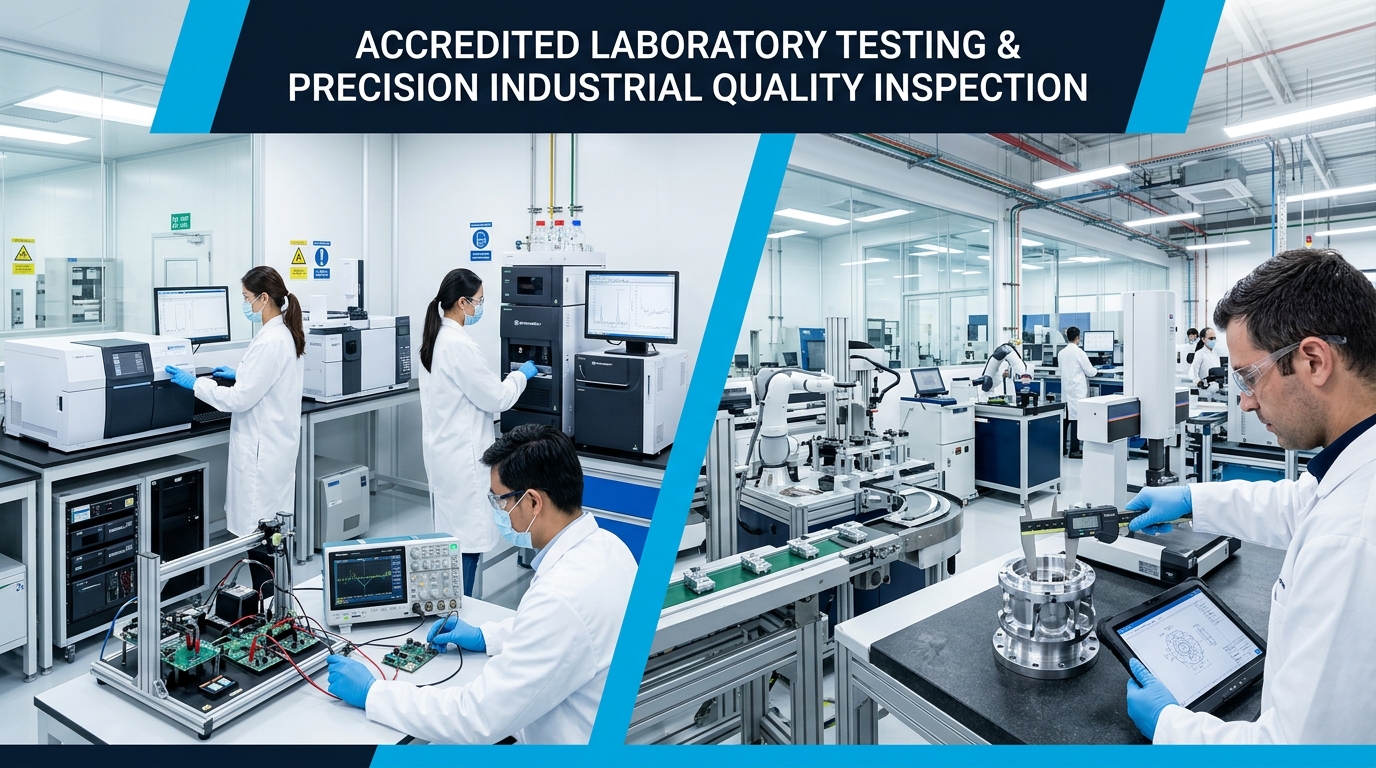
GICG operates pneumatic drop towers, cut-resistance rigs, breathing simulators, and aerosol filter testers to certify Category I, II, and III PPE.
Accredited Standards & Laboratory Protocols
Some of the personal protective equipment (ppe) testing services provided by GICG include:
Respiratory Protection (Particulate Filters)
EN 149 & NIOSH 42 CFR 84- •Sodium Chloride and Paraffin Oil Filtration Efficiency (≥ 94% FFP2, ≥ 99% FFP3)
- •Breathing Resistance (Inhalation & Exhalation flow tests)
- •Total Inward Leakage (TIL) and Clogging Resistance
Mechanical Protective Gloves
EN 388:2016- •Abrasion Resistance (Martindale abrasion cycles: Levels 1-4)
- •Blade Cut Resistance (Coupe test and TDM-100 cut method: Levels A-F)
- •Tear Resistance and Puncture Resistance (Newton force thresholds)
Industrial Head Protection
EN 397- •Shock Absorption: transmitted force to headform must not exceed 5.0 kN
- •Penetration Resistance with conical steel striker (3 kg drop)
- •Flame Resistance & Chin Strap Anchorage Release Force
Specialized Test Equipment & Instrumentation
Automated Filter Tester (TSI 8130A) using Sodium Chloride and Paraffin Oil Aerosols
Martindale and Circular Blade Cut Resistance Test Apparatus (Coupe & TDM-100)
Hemispherical Safety Helmet Drop Tower with calibrated piezoelectric force transducer
Breathing Simulator & Exhalation Valve Leakage Measurement Mannequin Heads
Critical Quality Checkpoints & Inspection Criteria
Official Laboratory Deliverables
Frequently Asked Technical Questions
Q:What is the difference between EN 149 FFP2 and NIOSH N95 test standards?
While both require ≥ 95% (or 94% for FFP2) filtration efficiency, NIOSH N95 tests exclusively with NaCl aerosol, whereas EN 149 mandates dual aerosol testing using both NaCl and paraffin oil droplets, alongside total inward leakage (TIL) trials with human test subjects.
Let GICG help you to position your brand differently! Speak to us today!
Contact our accredited laboratory engineers for sample shipment guidance, test lead times, and tailored testing quotation packages for Personal Protective Equipment (PPE) Testing.